Laparoscopic Surgery
OVERVIEW
What is laparoscopic surgery?
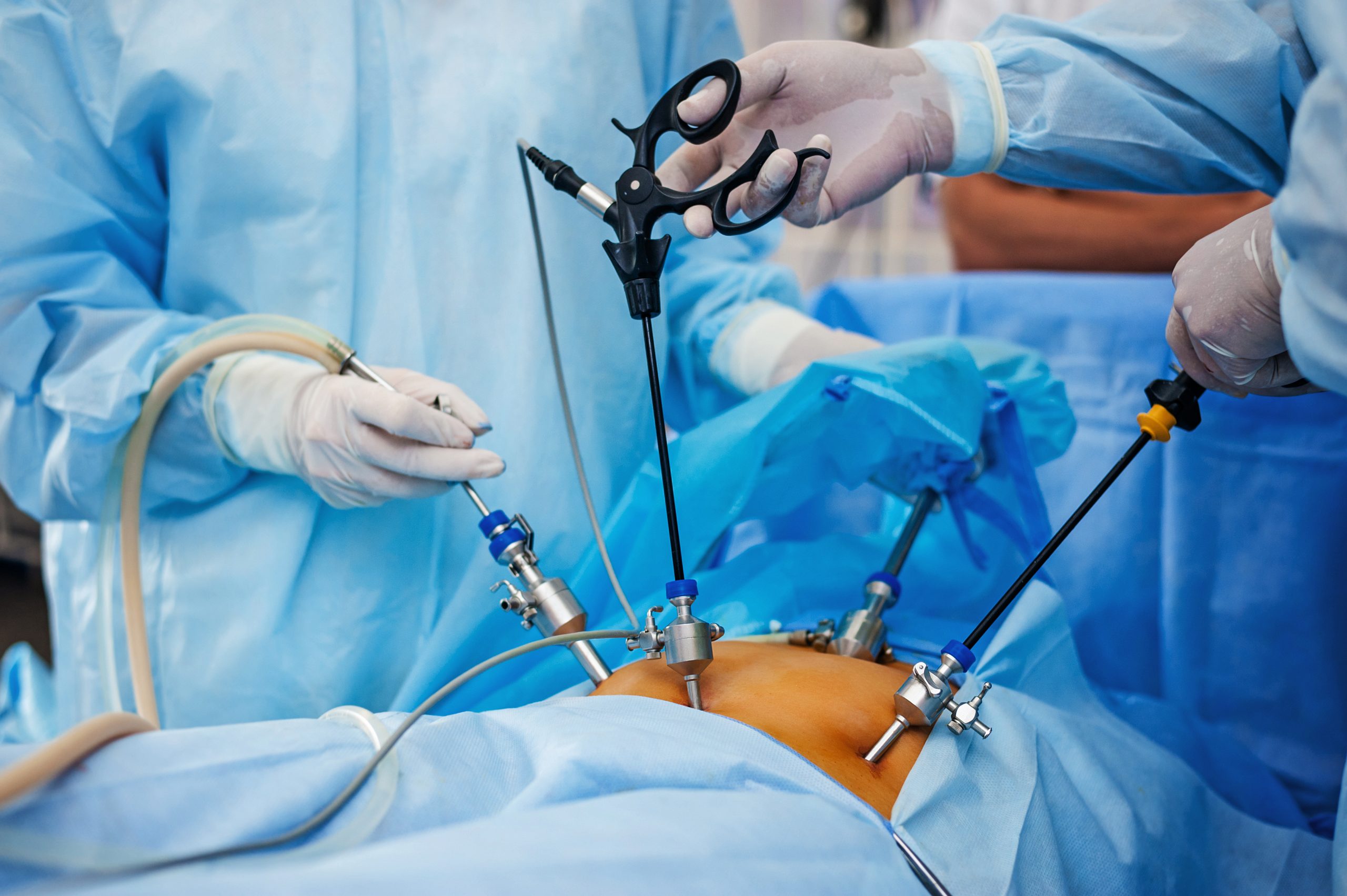
Laparoscopic surgery is a minimally invasive surgical technique used in the abdominal and pelvic areas. It uses the aid of a laparoscope - a thin, telescopic rod with a camera at the end - to see inside your body without opening it all the way up. Instead of the 6- to 12-inch cut necessary for open abdominal surgery, laparoscopic surgery uses two to four small incisions of half an inch or less. One is for the camera, and the others are for the surgical instruments. Minimally invasive surgery may also be called "keyhole surgery," referring to these small incisions.
What is a laparoscopy?
A laparoscopy is a kind of exploratory surgery using a laparoscope. The surgeon explores your abdominal and\or pelvic cavities through one or two keyhole incisions. This is the less-invasive alternative to a laparotomy. It's usually done for diagnostic purposes, to look for problems that imaging tests haven't been able to identify. The surgeon may take tissue samples for biopsy during the exam. They may also be able to treat minor problems during the laparoscopy - for example, remove growths or blockages that they find during the exam.
What surgeries are performed laparoscopically?
Many common surgeries can be performed laparoscopically today. Whether you're a candidate for laparoscopic surgery will depend on how complicated your condition is. Some complicated conditions may require open surgery to manage. However, laparoscopic surgery is becoming the preferred default method for a growing list of common operations, due to its cost-saving benefits and improved patient outcomes. The list includes:
- Cyst, fibroid, stone, and polyp removals.
- Small tumor removals.
- Biopsies.
- Tubal ligation and reversal.
- Ectopic pregnancy removal.
- Endometriosis surgery.
- Urethral and vaginal reconstruction surgery.
- Orchiopexy (testicle correction surgery).
- Rectopexy (rectal prolapse repair).
- Hernia repair surgery.
- Esophageal anti-reflux surgery (fundoplication).
- Gastric bypass surgery.
- Cholecystectomy (gallbladder removal) for gallstones.
- Appendectomy (appendix removal) for appendicitis.
- Colectomy (bowel resection surgery).
- Abdominoperineal resection (rectum removal).
- Cystectomy (bladder removal).
- Prostatectomy (prostrate removal).
- Adrenalectomy (adrenal gland removal).
- Nephrectomy (kidney removal).
- Splenectomy (spleen removal).
- Radical nephroureterectomy (for transitional cell cancer).
- Whipple procedure (pancreaticoduodenectomy) for pancreatic cancer.
- Gastrectomy (stomach removal).
- Liver resection.
Can laparoscopic surgery be used in other parts of the body outside the abdomen and pelvis?
Minimally invasive surgical techniques are used in many areas of the body. Outside of the abdominal and pelvic areas, the method may be similar, but it's called something else. In the chest cavity, a surgeon may use a thoracoscope to view your lungs through a keyhole incision. In the knee area, a surgeon may use an arthroscope. The scopes are named differently for the parts of the body they are looking at, but they are all modified versions of the same thing.
How safe is laparoscopic surgery?
It's at least as safe as open surgery, and some risks are reduced. Smaller wounds reduce the risk of infection, blood loss and postoperative complications such as wound separation and incisional hernia. Laparoscopic surgery minimizes the direct contact between the surgeon and patient, which reduces the risk of any transmission of germs between the two. It also minimizes post-operative recovery time, which reduces the risks of prolonged bed rest, such as blood clots.
How common is laparoscopic surgery?
suggests over 13 million laparoscopic procedures are performed globally every year. These numbers are projected to grow by 1% over the next five years.
RISKS / BENEFITS
What are the advantages of this procedure?
- Less trauma to the abdominal wall.
- Less blood loss.
- Reduced risk of hemorrhage.
- Smaller scars.
- Reduced risk of wound infection.
- Shorter hospital stay.
- Less time in the hospital means less expense.
- Faster recovery time and return to activities.
- Less wound pain during healing.
- Less pain medication necessary.
What are the possible risks or complications of laparoscopic surgery?
Trocar injuries
Since the original trocar may be inserted blindly before the laparoscope is inserted, there is some risk of injury from the original trocar insertion. Complications are rare but serious. They include:
- Blood vessel injury.
- Bowel injury.
- Nerve injury.
- Port-site hernia.
Insufflation complications
Some people may have an adverse reaction to the carbon-dioxide gas that is used to inflate the abdominal cavity for the procedure. You will be screened for any cardiopulmonary conditions that would put you at risk of these complications prior to surgery. Complications include:
- Hypercapnia (carbon dioxide retention).
- Pneumothorax (collapsed lung).
- Subcutaneous or mediastinal emphysema (air trapped under the skin or in the chest cavity).
- Hypothermia (if cold gas isn't prewarmed).
General surgical risks
All surgeries come with certain general risks. These include:- Allergic reaction to anesthesia.
- Internal adhesions from scar tissue.
- Excessive bleeding.
- Wound infection.
When is laparoscopic surgery not recommended?
Contraindications for laparoscopic surgery include:- Prior surgery in the area. This increases the likelihood of scars and adhesions that may interfere with the access and visibility of the laparoscopic tools.
- Excessive body mass in the area. This can make it too hard to see via laparoscope.
- Extensive infection or bleeding. This emergency situation requires immediate open access to manage.
- Cardiopulmonary conditions. These increase the risk of adverse reactions to carbon dioxide.
What is the recovery time from laparoscopic surgery?
In most cases, you'll be able to go home on the next day of surgery. Full recovery time is about two to three weeks. During this time, you can expect some normal wound pain. This should be manageable with short-term pain medication and should improve over the first few days. If it doesn't, let your doctor know.